Here is a common donut counter problem: you point at the one you want, use the word on the little card, and still end up with something different from what you pictured. The vocabulary is the trouble. Filling, frosting, and glaze sound interchangeable, and Bavarian, custard, and jelly get used loosely even by people who make donuts for a living. Troubleshooting your order starts with sorting out what each word actually means, so the donut in the box matches the one in your head.
Work through it the way you would any diagnosis at Country Donutz in Salisbury: start from what went wrong last time, identify which term misled you, and fix the order at the counter next time. By the end, the case reads like a menu you actually speak.
Symptom one: you asked for filled and got topped
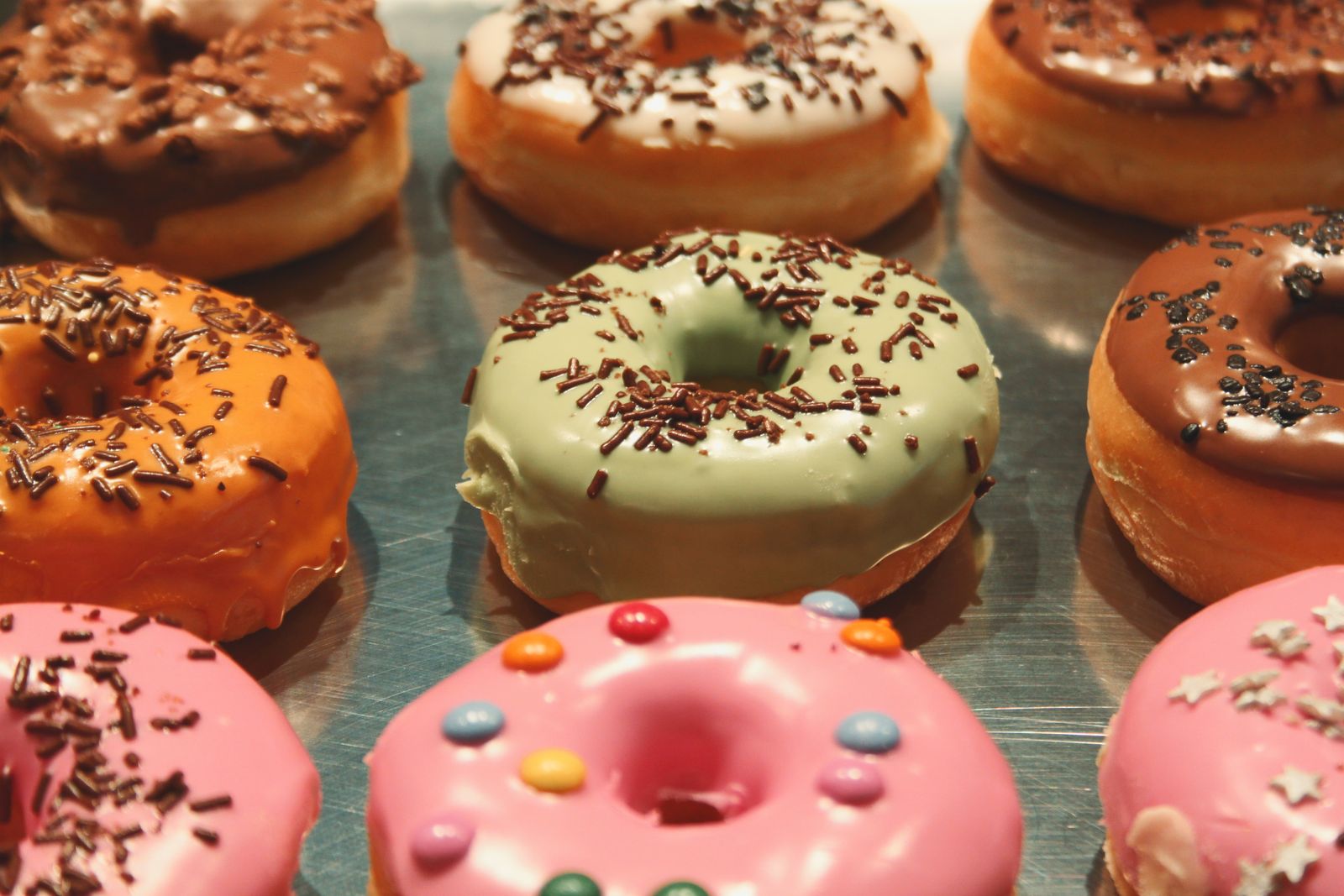
Filling lives inside the donut. Frosting lives on top. That is the whole distinction, and half of all donut disappointment comes from blurring it. A filled donut is usually a solid round or bar with no hole, because the hole would let the filling out; it is fried, cooled slightly, and injected or split and spooned full. A frosted donut may have a hole and no interior anything, just a coating spread or dipped over the top. Glaze is the third category and the thinnest: a sweet, translucent coating the whole donut is dipped in, which sets into a delicate shell. Icing and frosting overlap in everyday speech, with frosting generally thicker and softer, icing thinner and firmer, but shops vary. The reliable move is to describe location, not just name: inside, on top, or all over.
- Name where the sweet part should be. Inside means filled, on top means frosted, dipped all over with a thin shell means glazed. Location survives every shop's naming habits.
- Separate Bavarian from custard. Bavarian cream is a smooth, pale, vanilla pastry cream style filling, rich and pudding-like. Custard in donut terms usually means a similar egg-based cream, and many shops use the words interchangeably; ask whether it is vanilla cream or the eggier, yellower style if the distinction matters to you.
- Separate jelly from jam-style fillings. True jelly filling is smooth and translucent, made from juice. Many donut jellies are actually jam-style, thicker and fruitier with more body. Raspberry and lemon are the common sharp ones; apple often arrives spiced.
- Ask what cream means at this counter. Cream can be a light whipped filling, a sweet white creme that is shelf-stable and very sweet, or a pastry cream. The words are the same and the fillings are not, so a one-word question saves a surprise.
- Check the coating words. Powdered means rolled in sugar after frying, cinnamon sugar is its spiced cousin, and chocolate frosted means a topped donut, which is different from a chocolate cake donut flavored all the way through.
- Confirm before the box closes. A quick "the round one, filled, not frosted" at the counter fixes in five seconds what a wrong guess costs you the whole drive home.
Symptom two: the filling was not the flavor you expected
This one usually traces back to fruit names doing double duty. Lemon filling is a curd-style filling, tart and smooth, not a lemon frosting and not lemon cake. Chocolate filling is rarer than chocolate frosting, so a request for a chocolate filled donut may land you a chocolate frosted one unless you specify the inside part. Maple is almost always a frosting or glaze flavor, not a filling. And cream-filled covers the widest territory of all: a long john style bar with white creme is a different eating experience from a round donut with real pastry cream, though the same two words describe both at different shops.
The cause is rarely carelessness. Donut vocabulary grew up regionally, and chains, independents, and bakeries each settled their own usage. The fix is not memorizing a dictionary. It is asking the two diagnostic questions that always work: is it inside or on top, and is the filling more like pudding, more like whipped cream, or more like jam? Those answers pin down almost every donut in any case in North Carolina.
Symptom three: the texture felt wrong for the name
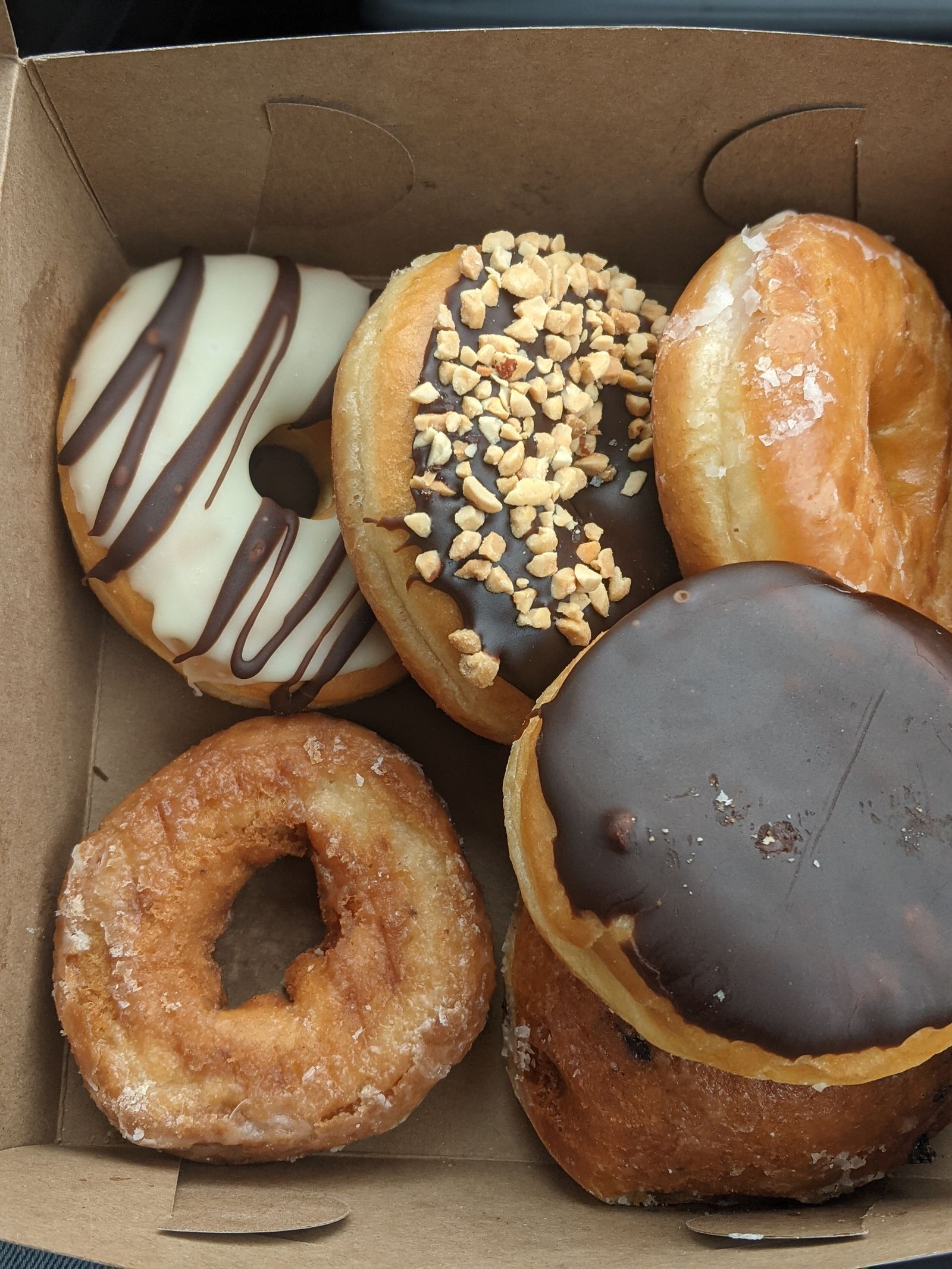
Sometimes the words were right and the expectation was off. A glazed donut's shell should shatter slightly and then melt; if it is chewy, the donut is past its prime, not mislabeled. Frosting should sit soft on a fresh cake donut; a hard, cracked coat suggests the case has sat. Filling should be present in most bites of a filled donut; a single pocket at one end means the filling was piped light, worth knowing before you order a dozen of them for other people. Reading texture this way turns one disappointing donut into useful information instead of a reason to give up on the shop. Describe what you felt, not just what you ordered, and the counter can steer you to the donut you actually meant.
Common questions
What is the difference between glaze and icing on a donut?
Glaze is a thin, translucent dip that coats the whole donut and sets into a fragile shell. Icing or frosting is thicker, opaque, usually applied to the top, and stays softer.
Is Bavarian cream the same as custard?
Close cousins. Bavarian cream is a vanilla pastry cream style filling, smooth and pale. Shops often use custard to mean a similar egg-based cream, so ask if it matters to you.
Why do filled donuts have no hole?
The solid shape holds the filling. A ring donut would leak from the center, so filled donuts are made as rounds, bars, or shells and filled after frying.
Photos in this guide are representative stock images.
← All guides from Country Donutz← Back to Country Donutz